
From ‘Pending’ to ‘For Sale’ Again: How Deferred Maintenance Kills Northshore Real Estate Deals
It’s a homeowner’s worst nightmare. The celebratory “Pending” sign, a beacon of a successful sale, is suddenly taken down. In its place, the familiar, dreaded “For Sale” sign is hammered back into the lawn. The phone calls, the texts, the social media posts announcing the good news all have to be walked back. The deal has fallen through.
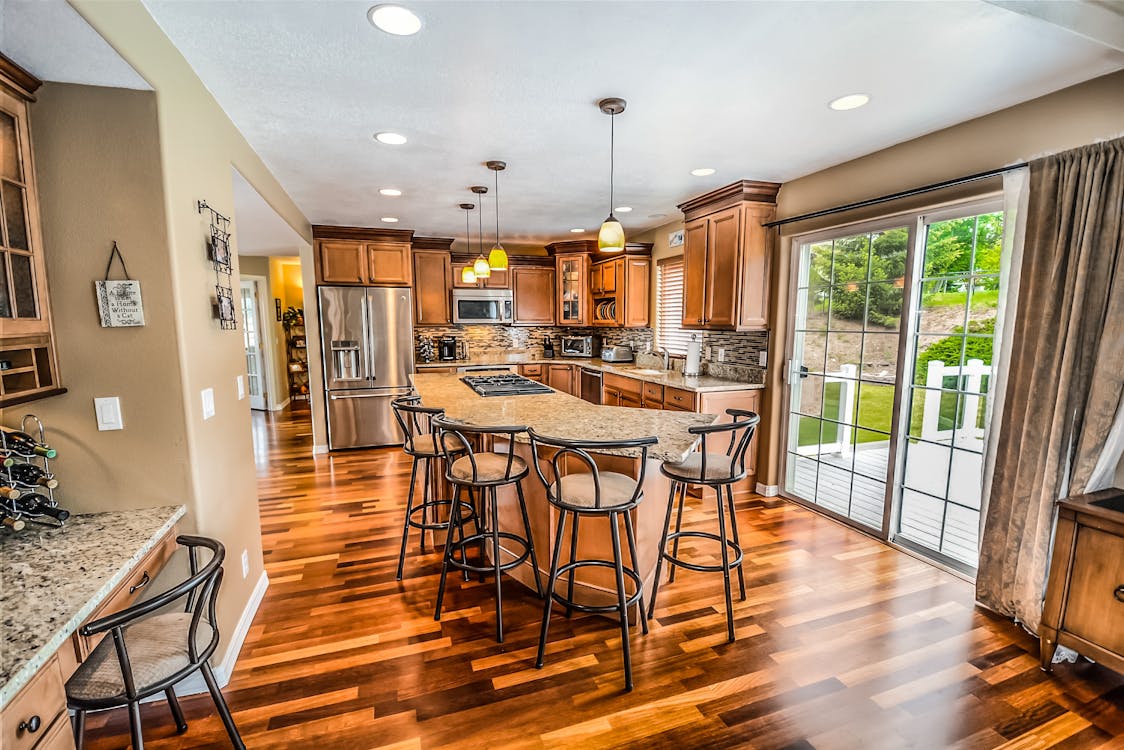
This heartbreaking scenario is more common than many think, and one of the most frequent, yet avoidable, culprits is a silent deal-killer: deferred maintenance. At stuartrealestatenews.com, we are Northshore real estate experts dedicated to providing high-value, educational insights. We see this exact situation play out all too often and want to equip you with the knowledge to ensure your transaction goes smoothly from ‘Pending’ to ‘Sold’.
Key Takeaways
- Deferred maintenance refers to postponed repairs that worsen over time, creating significant and often costly problems during a real estate transaction.
- The home inspection is the primary stage where deferred maintenance issues derail a sale, leading to buyer hesitation, overwhelming repair lists, and renegotiations.
- Significant financing and appraisal problems are common consequences, as lenders may refuse to approve loans for properties with major structural, safety, or habitability defects.
- For sellers, investing in a pre-listing inspection and performing strategic repairs are the most effective defenses against a deal collapsing due to condition issues.
- For buyers, understanding how to spot red flags during a showing and negotiate effectively based on an inspection report is crucial for making a sound investment.
TL;DR
Putting off home repairs (deferred maintenance) is a top reason Northshore real estate deals collapse after going “Pending.” Problems discovered during the home inspection scare buyers, cause financing issues with banks, and lead to failed negotiations. Sellers can avoid this by getting a pre-inspection and making smart repairs beforehand. Buyers should look for warning signs and use the inspection report to negotiate wisely. Addressing maintenance proactively is the key to a successful sale.
What We Mean By “Deferred Maintenance”
Deferred Maintenance: The practice of postponing necessary repairs and upkeep on a property. It’s the “I’ll get to it later” mindset that can have costly consequences when it’s time to sell.
This isn’t just about a squeaky door or a dripping faucet. Deferred maintenance is about the snowball effect. A small, inexpensive problem, if left unchecked, can cascade into a massive, expensive one. That tiny leak in a gutter, ignored for a few seasons, can lead to rotted fascia boards. That rot can allow water to penetrate the roof sheathing and attic, leading to mold, damaged insulation, and eventually, costly structural damage. What could have been a $100 gutter cleaning becomes a $15,000 repair bill that emerges at the worst possible time—right in the middle of your sale.
Common Deferred Maintenance Red Flags in Northshore Homes
The Northshore’s beautiful, established neighborhoods often feature homes with character—and with that character comes the potential for age-related issues. Here are some of the most common red flags to watch for:
- Exterior Issues: Peeling paint is more than a cosmetic flaw; it’s a sign that the underlying wood is exposed to the elements. Look for wood rot on window sills, door frames, and siding. Cracked or uneven walkways and driveways can be tripping hazards that concern buyers and lenders. Clogged or damaged gutters are a primary cause of water intrusion.
- Roofing: A roof is one of the most expensive components of a home. Curled, cracked, or missing shingles are clear signs of a roof nearing the end of its life. Moss and algae growth can trap moisture and accelerate deterioration.
- Major Systems: An HVAC unit or water heater that is over 15 years old is a major red flag for buyers who see an imminent replacement cost. Old electrical panels, especially known problematic brands like Federal Pacific or Zinsco, are a significant safety concern that often must be addressed.
- Interior Clues: Water stains on ceilings or walls, even if painted over, point to past or present leaks. A persistent musty smell, particularly in basements or closets, is a strong indicator of moisture and potential mold. Foggy or broken window seals mean the insulating gas has escaped, reducing energy efficiency.
- Basement & Foundation: Hairline cracks in a foundation can be normal settling, but larger horizontal or “stair-step” cracks signal serious structural movement. Look for efflorescence—a white, powdery residue on concrete walls—which is evidence of water seeping through.
The Anatomy of a Failed Deal: How Deferred Maintenance Kills a Sale
A signed purchase agreement is not a finish line; it’s the start of a critical due diligence period where a deal is most vulnerable. This is where deferred maintenance does its damage.
The Inspection Report Shocker
The home inspection is the buyer’s first opportunity to get an unfiltered, in-depth look at the property’s true condition. For a seller who has ignored maintenance, this is the moment of truth. An inspector’s job is to find and document every single issue, big or small.
When a buyer receives a 50-page report filled with photos of rot, old wiring, a failing furnace, and a long list of defects, it can be incredibly overwhelming. Even if the individual issues are manageable, the cumulative effect creates the perception that the home is a “money pit.” This is where buyer’s remorse kicks in. According to a 2021 survey from the National Association of REALTORS®, home inspection issues were responsible for 9% of all terminated contracts. Faced with an intimidating list of unexpected projects, many buyers choose to use their inspection contingency to walk away.
The Financing & Appraisal Roadblock
Even if a buyer is willing to take on the projects, their lender may not be. Certain government-backed loan types, like FHA and VA loans, have strict Minimum Property Requirements (MPRs). Issues like peeling paint on homes built before 1978, a roof with less than two years of life remaining, or the absence of a handrail on a staircase can make a home ineligible for financing until the defects are cured.
Furthermore, a professional appraiser is tasked with determining the home’s market value for the lender. An appraiser will absolutely note significant deferred maintenance. If a home has a failing roof, a non-functional HVAC system, or evidence of foundation problems, the appraiser will likely assign a value lower than the agreed-upon purchase price. This creates an “appraisal gap,” where the bank will only lend up to the appraised value. If the buyer can’t cover the difference in cash and the seller won’t lower the price, the deal dies.
The Negotiation Breakdown
When a bad inspection report lands, it almost always triggers a tense renegotiation. The buyer, now armed with a detailed list of problems and repair estimates, may come back with one of three requests:

- Repair Request: They ask the seller to fix a long list of items before closing.
- Credit Request: They ask for a significant seller credit or a price reduction to cover the cost of future repairs.
- A Combination: They ask for critical items to be fixed and a credit for other issues.
This phase is fraught with emotion and financial pressure. A seller may feel the requests are unreasonable or may not have the cash on hand to perform the repairs. A buyer may feel the seller is not being transparent or fair. If neither side is willing to compromise, the negotiation reaches a stalemate, and both parties are forced to walk away, back to square one.
A Seller’s Guide: How stuartrealestatenews.com Helps You Protect Your Sale
As seasoned real estate professionals, the team at stuartrealestatenews.com has navigated this challenging scenario countless times. The best defense is a proactive offense. By addressing maintenance before you list, you take control of the narrative and protect your investment.
The Ultimate Tool: The Pre-Listing Inspection
The single most powerful tool a seller can use is a pre-listing inspection. By investing a few hundred dollars to have your own inspector scrutinize the property, you gain two invaluable advantages:
- Benefit 1: No Surprises. You discover the problems on your own terms, without the pressure of a buyer’s deadline. You won’t be blindsided by a shocking report that jeopardizes your deal.
- Benefit 2: Time & Money. You have the time to research and get multiple quotes from contractors, ensuring you get a fair price for repairs. You can complete the work on your own schedule, not in a frantic rush during a 10-day inspection period when contractors know you’re in a bind.
Triage Your Repairs: What to Fix vs. What to Disclose
A pre-listing inspection report allows you to strategically decide how to proceed. Not everything needs to be fixed. Here’s how to prioritize:
| Repair Category | Examples | Action Plan |
|---|---|---|
| Must-Fix Items | Active leaks, exposed electrical wiring, mold, non-functional safety equipment (smoke detectors), significant structural cracks. | Repair Immediately. These are health, safety, and structural issues that will halt any sale and are non-negotiable for most buyers and lenders. |
| High-ROI Fixes | Fresh neutral paint, fixing leaky faucets, replacing broken light fixtures, professional landscaping, deep cleaning. | Strongly Consider Fixing. These are often low-cost fixes that have a huge impact on a buyer’s first impression and perceived value of the home. |
| Disclose & Price Accordingly | An aging (but functional) roof, an old HVAC system, cosmetic issues you don’t have the budget to address. | Be Transparent. If you can’t or choose not to fix a major component, disclose its condition upfront and adjust your listing price to reflect the future cost for the buyer. |
A Buyer’s Playbook: Spotting Issues and Making Smart Decisions
For buyers, navigating the Northshore market requires a keen eye and a solid strategy. Being informed about a property’s condition is just as important as loving its layout.
Sharpen Your Eyes: Red Flags to Look for During a Showing
Before you even make an offer, you can be your own first line of defense. During a showing, look beyond the staging and pay attention to the bones of the house:
- Look Up: Scan ceilings and the corners of rooms for any discoloration or water stains.
- Look Down: Check the floors for unevenness or soft spots, especially around tubs and toilets. In the basement, look for signs of past water intrusion.
- Use Your Nose: Does the home smell fresh, or is there a musty, damp odor, particularly in the basement or bathrooms?
- Check the Systems: Look at the manufacturing date on the water heater and HVAC unit. Are they nearing the end of their typical lifespan?
- Open Cabinets: Quickly check under the kitchen and bathroom sinks for any signs of active leaks or water damage.
Your Best Friend: The Professional Home Inspector
Never, ever skip the professional home inspection. This is the most important investment you will make during your due diligence period. Hire a thorough, reputable inspector known for their detailed reports. Most importantly, attend the inspection yourself. Walking through the property with the inspector allows you to see the issues firsthand, ask questions, and gain a much clearer understanding of the home’s condition than a written report alone can provide.
From Report to Resolution: How to Negotiate
Once you have the inspection report, it’s time to strategize. Don’t let a long list of minor issues scare you away from a great house. Learn to differentiate between a major problem (a cracked foundation) and a simple weekend fix (a loose doorknob). For guidance on navigating this critical step, you can review expert advice on how to avoid costly mistakes when buying a home.
When negotiating, consider asking for a seller credit toward your closing costs instead of asking the seller to perform the repairs. This is often a smoother path because it gives you control over the quality of the work and the choice of contractor after you own the home. Finally, know your walk-away point. If the inspection reveals problems that are beyond your budget or comfort level, be prepared to walk away and find a home that is a better fit.
From ‘Pending’ to a Confident ‘Sold’
Deferred maintenance is the silent killer of Northshore real estate deals, but it doesn’t have to be the story of your sale or purchase. It is a predictable and manageable challenge. For sellers, proactive planning, transparency, and strategic repairs are the keys to a smooth transaction. For buyers, thorough due diligence and smart negotiation are the cornerstones of a confident investment.
Navigating the complexities of a home’s condition can be daunting. By understanding the pitfalls of deferred maintenance, both buyers and sellers can turn a potential deal-breaker into a successful closing, transforming that “Pending” sign into a triumphant “Sold.”